
Modernizing the Ankara - London Corridor
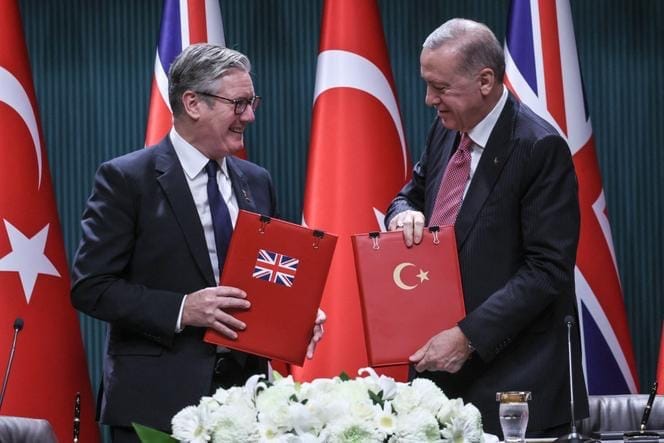
Digital Trade, Services Liberalisation, and Strategic Realignment in the New UK - Turkey Bilateral Treaties
The bilateral commercial relationship between the United Kingdom and the Republic of Turkey entered a transformative legal phase in 2025. Driven by a mutual strategic necessity to move beyond the constraints of legacy agreements and adapt to a digitized, multipolar global economy, the two nations engaged in an intensive series of trade negotiations. The objective was clear: to forge a "next-generation" comprehensive Free Trade Agreement (FTA) that supersedes the rudimentary post-Brexit continuity arrangements.
Throughout the course of 2025, three critical rounds of negotiations (held across Ankara and London) systematically dismantled old barriers and laid the groundwork for a highly modernized legal framework covering digital trade, sophisticated financial services, intellectual property enforcement, and streamlined customs protocols.
These negotiations did not occur in a geopolitical vacuum. As two prominent non-EU European powers and critical NATO allies, the UK and Turkey recognized that an enhanced economic architecture was essential for deeper strategic alignment. This alignment culminated in the historic signing of the UK-Türkiye Strategic Partnership Framework in April 2026, which explicitly linked economic growth, defense cooperation, and shared regional security. For transactional lawyers, corporate counsel, and international trade practitioners, the legal mechanics of this evolving FTA demand rigorous analysis. The transition from a goods-centric customs arrangement to a holistic, services-and-data-driven treaty introduces profound changes to cross-border investment structuring, regulatory compliance, and dispute resolution.
This comprehensive analysis deconstructs the jurisprudential and practical implications of the 2025 UK-Turkey FTA negotiations, examining how the proposed provisions will redefine market access, digital sovereignty, and the enforcement of corporate rights in one of Europe’s most vital commercial corridors.
1. The Jurisprudential Limitations of the 2020 Continuity Agreement
To appreciate the sheer scale of the legal overhaul negotiated in 2025, one must first understand the structural deficiencies of the preceding regime. From December 1995 until December 2020, bilateral trade between London and Ankara was governed by the European Union - Turkey Customs Union. Following the UK’s withdrawal from the EU, the two nations swiftly executed the Turkey-United Kingdom Trade Continuity Agreement in December 2020. This stopgap treaty was an exercise in legal triage; its primary function was to prevent a catastrophic cliff-edge scenario for bilateral trade by preserving preferential tariffs on goods.
However, the 2020 Continuity Agreement was inherently asymmetrical and jurisprudentially limited. Because it was designed merely to replicate the effects of the EU-Turkey Customs Union, it predominantly liberalized trade in industrial products while leaving agricultural goods only partially liberalized. More importantly, the 2020 agreement was virtually silent on the most dynamic sectors of the modern global economy: services, digital trade, and direct investment.
This omission created a glaring legal void for UK businesses. The United Kingdom operates as a global superpower in the export of services, particularly financial, legal, and professional business services. Confining a major bilateral relationship to a goods-only framework artificially stifled economic potential and provided zero legal certainty for British service providers seeking to penetrate the Turkish market. Furthermore, the absence of robust digital trade chapters left tech enterprises vulnerable to unpredictable data governance laws and localized regulatory whims. By 2023, both governments formally acknowledged that the continuity agreement was archaic and unfit for a bilateral trade volume that would ultimately surge to $38 billion (£28.4 billion) by the end of 2025. The mandate to draft a modernized, comprehensive FTA was legally established, paving the way for the decisive negotiations of 2025.
2. The 2025 Turning Point: The Mechanics of a "Next-Generation" FTA
The formal initiation of trade negotiations occurred in March 2024, but it was during 2025 that the substantive legal architecture of the "next-generation" FTA was forged. The 2025 negotiation timeline was characterized by aggressive momentum, reflecting a shared political will to lock in a binding treaty text.
The Phased Negotiation Rounds of 2025
The first round of negotiations convened in Ankara from June 23 to July 2, 2025. This foundational round established the baseline ambitions for both parties, focusing heavily on regulatory environments, sustainability, and women's economic empowerment. Crucially, it marked the first formal exchange of proposals regarding the liberalization of digital and financial services.
The second round shifted to London between September 15 and September 19, 2025. This phase saw significant legal friction resolved regarding market access for agricultural products and the streamlining of customs procedures. The UK Department for Business and Trade reported positive progress in defining the parameters for digital trade, professional business services, and the protection of cross-border investments.
The pivotal breakthrough occurred during the third round, held in Ankara during the week of November 17, 2025. During this intensive session, negotiators moved beyond conceptual discussions and began the complex task of textual consolidation. By merging competing drafts into a unified, bracketed text, the legal contours of the final agreement became visible. Positive exchanges advanced concerning good regulatory practice, anti-corruption frameworks, and the alignment of labor and environmental standards. The structural transition from a rudimentary tariff schedule to a complex, multi-chapter economic integration agreement was effectively solidified during this November round.
3. Liberalizing Trade in Services: Financial, Legal, and Professional Sectors
The most commercially significant expansion negotiated in 2025 was the comprehensive inclusion of trade in services. For UK transactional lawyers and financial institutions, the proposed services chapters promise unprecedented market access and, crucially, enhanced legal certainty.
Dismantling Market Access Barriers
Historically, foreign service providers in Turkey have navigated a complex web of domestic regulations, equity caps, and opaque licensing requirements. The 2025 negotiations targeted these non-tariff barriers directly. The UK tabled aggressive proposals aimed at securing legal transparency and national treatment for British service suppliers. If realized, these provisions will compel Turkish regulatory bodies to treat UK financial institutions, insurance conglomerates, and legal consultancies no less favorably than domestic entities, strictly limiting the imposition of discriminatory equity restrictions or joint-venture mandates.
Regulatory Cooperation and Financial Services
The financial services chapter was a focal point of the September and November 2025 rounds. The UK, leveraging its unparalleled expertise in this domain, sought to integrate its financial ecosystem with Turkey's rapidly expanding market. The negotiations explored avenues for deep regulatory cooperation to support open, stable markets. This legal framework is designed to prevent arbitrary regulatory divergence, ensuring that compliance standards for banking, asset management, and fintech operations are harmonized or mutually recognized. For corporate counsel advising financial institutions, this chapter will dramatically reduce the compliance costs and legal friction associated with cross-border operations.
Mobility of Professionals (Mode 4)
A critical element of the services negotiations involved "Entry and Temporary Stay," commonly referred to in trade law as Mode 4 of the General Agreement on Trade in Services (GATS). The 2025 discussions focused on establishing binding, transparent rules allowing highly skilled professionals (such as lawyers, engineers, accountants, and management consultants) to transfer between the UK and Turkey with minimal bureaucratic obstruction. By guaranteeing streamlined visa processes and temporary residency rights for corporate intra-company transferees and independent professionals, the FTA will legally facilitate the fluid deployment of human capital essential for executing complex, cross-border mega-deals.
4. Digital Trade, E-Commerce, and Data Sovereignty
As global commerce increasingly pivots to the digital realm, a modernized FTA without robust data governance provisions is functionally obsolete. Recognizing this, the 2025 negotiations heavily prioritized the creation of a cutting-edge digital trade chapter, aiming to foster closer integration and reduce trade costs.
Prohibiting Data Localization and Enabling Secure Transfers
The most highly contested legal issues in modern digital trade negotiations revolve around data localization mandates and cross-border data flows. Many jurisdictions, citing national security or privacy concerns, enact laws forcing foreign tech companies to store data on local servers, fundamentally fracturing global digital infrastructure. During the 2025 rounds, the UK and Turkey advanced negotiations specifically focused on enabling secure data transfers.
The resulting legal consensus aims to explicitly prohibit unwarranted data localization requirements. By legally guaranteeing the free flow of information across borders, subject only to legitimate, non-discriminatory public policy and privacy safeguards, the FTA will provide tech startups and multinational corporations with the regulatory certainty required to deploy centralized cloud infrastructure. This is particularly vital for Turkey’s rapidly growing technology startup ecosystem, which heavily relies on seamless integration with global platforms.
Protecting Source Code and Cryptography
Furthermore, the digital trade provisions seek to shield proprietary technology from forced disclosure. Advanced FTAs, such as those the UK has championed globally, typically include strict legal prohibitions preventing state authorities from demanding the transfer of, or access to, a foreign corporation's source code or proprietary cryptographic algorithms as a condition of market entry. Embedding these protections within the UK-Turkey FTA will insulate British software developers, AI innovators, and cybersecurity firms from intellectual property expropriation when operating within the Turkish jurisdiction.
Electronic Contracts and E-Commerce Facilitation
The negotiations also aimed to establish a bespoke accord governing the protocols of e-commerce. This involves mutual legal recognition of electronic signatures, digital contracts, and electronic trust services, harmonizing the commercial law frameworks of both nations to facilitate frictionless online transactions.
5. Re-engineering Intellectual Property and Dispute Settlement
A trade agreement is merely a statement of diplomatic intent without a coercive legal mechanism to enforce its provisions. Consequently, the November 2025 round dedicated substantial textual discussion to Intellectual Property (IP) enforcement and Dispute Settlement.
Elevating IP Protection and Enforcement
The protection of intellectual property is paramount for advanced economies reliant on innovation, branding, and creative industries. The 2025 negotiations focused heavily on the robust enforcement of IP rights. The modernized FTA aims to legally commit both parties to comprehensive standards that go beyond the baseline requirements of the WTO’s TRIPS agreement.
For practitioners, this means the treaty will likely dictate stricter enforcement mechanisms against counterfeiting and piracy, both at the physical border and within the digital landscape. It will require the alignment of domestic laws regarding the rapid issuance of injunctions, the calculation of statutory damages for IP infringement, and the mutual recognition of distinct geographical indications (GIs). This elevated legal standard will provide crucial safeguards for UK pharmaceutical companies, advanced manufacturing firms, and media conglomerates operating in Turkey.
The Architecture of Dispute Settlement
The legal architecture for resolving disputes arising from the FTA was rigorously negotiated throughout late 2025. While the exact contours of the final text remain subject to ongoing refinement, the inclusion of a dedicated Dispute Settlement chapter is confirmed.
This chapter will establish a binding state-to-state arbitration mechanism. Should either the UK or Turkey breach their treaty obligations (for instance, by unlawfully raising tariffs, imposing discriminatory domestic regulations, or failing to protect IP rights), the aggrieved state will have the legal right to initiate formal consultations. If consultations fail, the matter will escalate to an independent arbitral panel empowered to issue binding rulings. If the offending state refuses to comply with the panel’s decision, the injured party will be legally authorized to impose retaliatory trade sanctions.
Crucially, the bilateral investment relationship is also underpinned by existing Bilateral Investment Treaties (BITs), which provide private investors with direct recourse through Investor-State Dispute Settlement (ISDS) mechanisms. The interplay between the new FTA's state-to-state mechanisms and existing private arbitration rights will create a multifaceted, highly robust enforcement matrix for cross-border capital.
6. Overcoming Non-Tariff Barriers: Customs, SPS, and Good Regulatory Practice
While headlines often focus on zero-tariff access, the true friction in international trade is generated by opaque customs bureaucracies and diverging regulatory standards. The 2025 negotiations systematically addressed these systemic legal bottlenecks.
Sanitary and Phytosanitary (SPS) Measures
Trade in agricultural products is heavily regulated to protect human, animal, and plant health. However, these Sanitary and Phytosanitary (SPS) measures are frequently weaponized as protectionist barriers. During the 2025 rounds, the UK and Turkey made significant progress on practical cooperation to facilitate the safe trade of agri-food. The negotiations aimed to unlock mutual new market openings by establishing legal frameworks that demand SPS measures be grounded strictly in scientific evidence and applied proportionately. By promoting the mutual equivalence of testing and certification procedures, the FTA will prevent agricultural shipments from being unnecessarily delayed or rejected at the border, a massive victory for the food and beverage sectors of both nations.
Customs and Trade Facilitation
Significant legal progress was achieved regarding Customs and Trade Facilitation. The November 2025 text focused on enabling predictable, transparent, and efficient border procedures through enhanced cooperation between customs authorities. This translates to binding commitments on the rapid release of goods, simplified documentation requirements, and the widespread implementation of digital customs infrastructure. For logistics companies and manufacturers reliant on just-in-time supply chains, this legal predictability is commercially invaluable.
Government Procurement and State-Owned Enterprises (SOEs)
The negotiations also tackled the complex, heavily guarded domain of Government Procurement and State-Owned Enterprises (SOEs). Both sides worked to clarify and refine their respective approaches, aiming to legally require open, transparent, and non-discriminatory bidding processes for lucrative public contracts.
Furthermore, provisions regarding SOEs and subsidies are being drafted to ensure that state-backed entities operate strictly on commercial considerations and do not receive unfair subsidies that distort the bilateral market, thereby ensuring a level playing field for private enterprise.
7. The Security and Strategic Nexus: The 2026 Strategic Partnership Framework
The profound economic legal integration negotiated throughout 2025 did not occur in isolation; it acted as the catalyst for a broader geopolitical realignment. The intense collaboration fostered during the FTA rounds built the mutual trust necessary to expand the bilateral relationship beyond commerce and into the realm of national security.
This momentum culminated on April 23, 2026, when the UK Foreign Secretary and the Turkish Foreign Minister signed the historic "UK-Türkiye Strategic Partnership Framework Document" in London. This document explicitly establishes a new era in the bilateral relationship, codifying a structured, long-term phase of strategic cooperation.
A Response to an Evolving World Order
From a legal and geopolitical perspective, the 2026 Framework represents a deliberate recalibration by both nations in response to an increasingly fragmented, multipolar international order. Both the UK and Turkey have recognized that relying solely on traditional, unipolar security guarantees is no longer sufficient.
The Framework explicitly links the ongoing FTA negotiations, which aim to support shared economic growth and bilateral trade investment, with robust cooperation across global security, counterterrorism, and defense industry collaboration. It highlights the enduring importance of NATO and Euro-Atlantic security while creating a formal, institutionalized mechanism for closer dialogue at both bilateral and multilateral levels. The document further expands joint initiatives into critical contemporary arenas, including energy security, climate change, and partnerships in science and innovation.
In essence, the 2026 Strategic Partnership Framework acts as the overarching geopolitical umbrella under which the highly technical legal mechanics of the 2025 FTA reside. It confirms that the liberalization of trade and the harmonization of digital regulations are not merely economic exercises, but vital components of a comprehensive strategic alliance designed to build resilience against global volatility.
8. Practical Implications for Corporate Counsel and Transactional Lawyers
The transition from the limited 2020 Continuity Agreement to the expansive, next-generation FTA negotiated in 2025 requires an immediate strategic pivot from legal practitioners advising multinational clients. The incoming legal architecture fundamentally alters the risk and reward matrix for operating within the UK-Turkey corridor.
Auditing Digital and Data Compliance
With the imminent implementation of the digital trade chapter, corporate counsel must urgently audit their clients' data governance protocols. The anticipated prohibition on data localization means that UK tech firms operating in Turkey can confidently integrate their localized data streams into centralized, global cloud infrastructures without fear of regulatory reprisal. However, practitioners must ensure that cross-border data flows remain strictly compliant with the broader privacy frameworks of both jurisdictions, maximizing the commercial benefits of the new treaty text while mitigating extraneous regulatory risk.
Reassessing Market Entry Strategies
The sweeping liberalization of the services sector demands a comprehensive reassessment of market entry strategies. Historically, foreign firms entering the Turkish market often defaulted to utilizing joint ventures or minority equity stakes to navigate complex local regulations and circumvent discriminatory treatment. As the new FTA establishes binding national treatment and legal transparency for service providers, corporate strategists can increasingly pursue wholly-owned subsidiaries and direct market participation, significantly altering the landscape of bilateral M&A and corporate restructuring.
Leveraging the Expanded Investment Protections
Furthermore, the intricate interplay between the new FTA’s regulatory cooperation mechanisms and existing Bilateral Investment Treaties creates a formidable legal shield for cross-border capital. Transactional lawyers structuring foreign direct investment (FDI) must intricately weave these enhanced IP protections, public procurement access rights, and robust dispute settlement avenues into their risk mitigation frameworks. The ability to invoke binding treaty text to challenge unfair regulatory practices, coupled with the streamlined movement of personnel under the Mode 4 provisions, heavily de-risks large-scale infrastructure and tech investments.
The legal developments of 2025, crowned by the strategic alignment of 2026, have irrevocably modernized the UK-Turkey bilateral framework. By aggressively dismantling non-tariff barriers, regulating the digital frontier, and embedding robust enforcement mechanisms, the negotiators have crafted a resilient legal architecture capable of sustaining one of Europe’s most critical commercial partnerships for decades to come.